Your Team

Meet the Skin Quality Team

The clinicians who look after skin quality and skin state at Chongqing West District Hospital — medical dermatology, structured skin assessment, energy-based and injectable treatment, and surgical rejuvenation, all inside a tertiary general hospital.

Specialist Profiles

Skin quality specialists

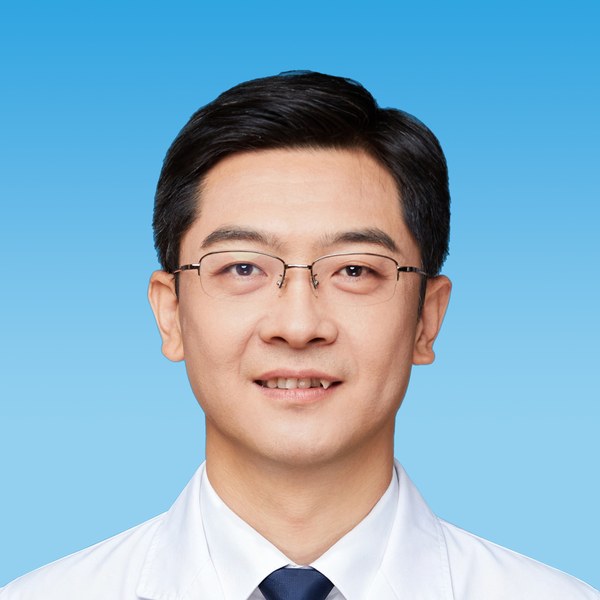
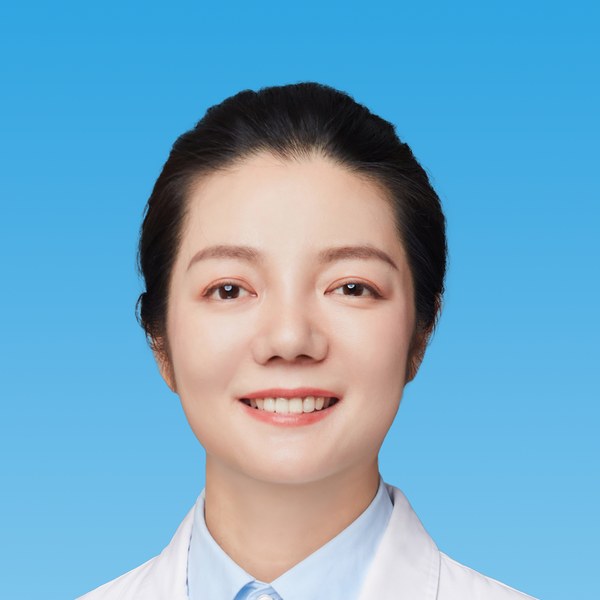
Ke He, MD

Ke He, MD (何锞)

Deputy Director & Head of Skin & Laser Aesthetics · Attending Physician, Licensed Aesthetic Attending

Skin quality assessment · barrier repair · energy-based and injectable treatment

Dr. Ke He is Deputy Director of the Plastic Surgery & Aesthetics Medical Center and head of its skin and laser aesthetic service at Chongqing West District Hospital, and the lead physician of this skin quality service. A core specialist formerly at the Plastic and Aesthetic Surgery Department of Xinqiao Hospital, affiliated with Army Medical University, she has worked on the clinical front line in skin laser and injectable aesthetics for more than 20 years, serving over ten thousand patients.

Her practice is the assessment and management of skin quality: how texture, tone, firmness and hydration are examined and recorded, how barrier damage is recognised and repaired, and how energy-based devices and injectables are chosen and sequenced for pore appearance, laxity, pigment and fine lines. She is direct with patients about what these treatments can and cannot change, and about the maintenance they require to hold a result.

She treats over-treatment as one of the most common problems she sees. Skin that has been stripped, peeled and lasered on a short cycle usually looks worse than skin that was left alone, and her first move is often to stop things rather than add them.

Clinical focus

  • Structured skin quality assessment: skin type, barrier function, hydration, pore size by site, texture and laxity, with standardised photography
  • Barrier repair and full-cycle skin management, including the correction of over-treatment
  • Energy-based treatment for pore appearance, texture, fine lines and pigment, with settings chosen for skin tone and recovery time
  • Injectable skin boosters and muscle-relaxing injections, and the honest limits of each
  • Pigment conditions and refined treatment of eyelid-margin moles, milia, and syringoma

Academic roles & achievements

  • Member, Laser Medicine Group, Chinese Medical Association Plastic Surgery Branch
  • Member, Facial Rejuvenation Group, Chinese Medical Association Plastic Surgery Branch
  • Member, Chongqing Plastic Surgery Quality Control Center
  • Published 5 papers, holds 5 national patents, and introduced 2 new clinical techniques

Assessment before devices

A device is only as good as the assessment behind it. Choosing the right technology, the right depth and the right interval, and respecting skin tone and recovery time, is what separates treatment from experimentation.
Yongbo Jia, MD

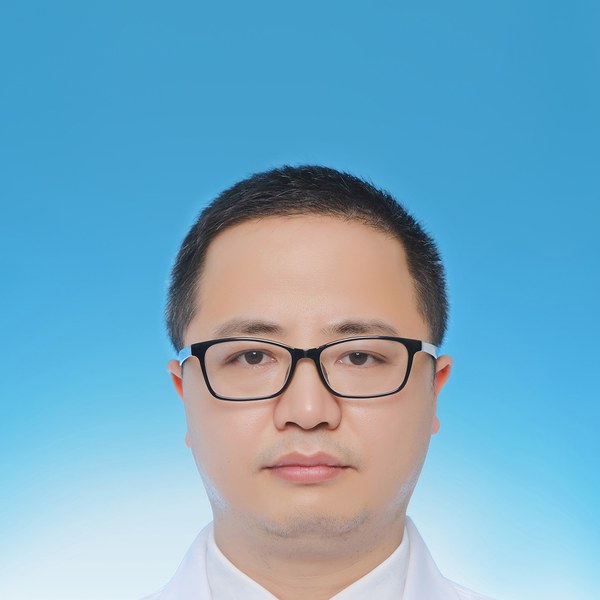
Yongbo Jia, MD (贾勇波)

Deputy Director & Head of Dermatology · Vice Chief Physician, Licensed Aesthetic Attending

Dermatology · diagnosis of look-alike conditions · systemic causes

Dr. Yongbo Jia is Deputy Director of the Plastic Surgery & Aesthetics Medical Center and head of its dermatology service at Chongqing West District Hospital. A vice chief physician and licensed aesthetic attending, he graduated from Chengdu University of Traditional Chinese Medicine and trained in dermatology at the Institute of Dermatology, Chinese Academy of Medical Sciences, and at Chongqing Hospital of Traditional Chinese Medicine.

His role in this service is the medical differential. Dry, dull, flushed or uneven skin is frequently a diagnosable condition rather than a cosmetic complaint: eczema, contact dermatitis, rosacea, seborrhoeic dermatitis, or the visible sign of something systemic such as thyroid disease, anaemia or diabetes. He identifies those cases and treats the cause, rather than layering a cosmetic plan on top of an untreated disease.

Clinical focus

  • Diagnosis of the skin conditions that present as cosmetic complaints: eczema, contact dermatitis, rosacea and seborrhoeic dermatitis
  • Systemic causes of changed skin quality: thyroid disease, anaemia, diabetes and nutritional deficiency
  • Medical management of barrier dysfunction and of skin damaged by over-treatment
  • Aftercare of post-inflammatory pigment and persistent redness
  • Aesthetic excision of superficial lesions with refined cosmetic stitching

Academic roles & achievements

  • Member, Jiusan Society
  • Member, Chongqing Integrative Medicine Skin & Beauty Committee
  • Advanced training at the Institute of Dermatology (Chinese Academy of Medical Sciences) and Chongqing Hospital of Traditional Chinese Medicine

Diagnosis first

Most skin that fails to respond to a cosmetic routine is either misdiagnosed or being treated with the wrong products. Getting the diagnosis right, then simplifying the routine, resolves more cases than adding another active ingredient.

Tongchun Mao, MD

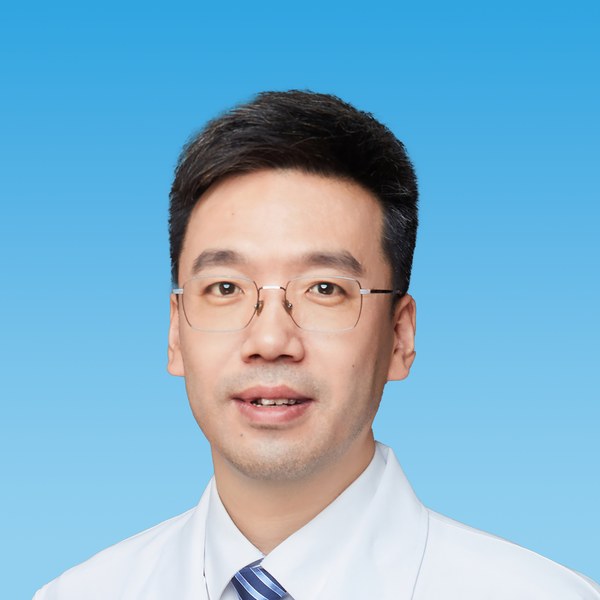
Tongchun Mao, MD (毛彤春)

Deputy Director & Head of Aesthetic Surgery · Vice Chief Physician, Licensed Aesthetic Attending

Aesthetic surgery · laxity and volume assessment · scar-conscious closure

Dr. Tongchun Mao is Deputy Director of the Plastic Surgery & Aesthetics Medical Center and head of its aesthetic surgery service at Chongqing West District Hospital. A core specialist formerly at the Plastic and Aesthetic Surgery Department of Xinqiao Hospital, affiliated with Army Medical University, he has rooted his clinical practice for more than 20 years and personally performs over 700 operations a year.

Within this service his role is the surgical end of the laxity hierarchy: assessing how much of a visible change is skin and how much is volume loss beneath it, and being straightforward that only excision removes excess skin. Devices and threads have a place, and he is clear about where that place ends.

Clinical focus

  • Assessment of laxity and volume loss, and the decision between device treatment, thread lifting and surgery
  • Surgical facial rejuvenation where excess skin has to be excised
  • Aesthetic closure principles applied to excisions and scar revision
  • Detailed facial-feature refinement and repair (eyelid, nose, chin, lip)
  • FUE hair transplantation and body contouring

Academic roles & achievements

  • Member, Rhinoplasty and Trunk Tumor Groups, Chinese Medical Association Plastic Surgery Branch
  • Member, Chongqing Medical Aesthetics Quality Control Center; Member, Chongqing Medical Accident / Disability Assessment Expert Pools
  • Deputy Chair, Chongqing Shapingba District Medical Aesthetics Committee
  • Published 5 SCI papers, holds 7 national patents, and has participated in 4 research projects
  • Repeatedly named an "Outstanding Young Physician" at Xinqiao Hospital since joining in 2005

Where surgery is the honest answer

Devices improve mild laxity for a time. When there is genuinely excess skin, only excision removes it. Saying so at the first consultation is more useful than selling a course of treatments that cannot deliver the change the patient is asking for.

Shaoliang Wang, MD

Shaoliang Wang, MD (王韶亮)

Director, Plastic Surgery & Aesthetics Medical Center · Vice Chief Physician, Associate Professor, Doctor of Medicine

Plastic surgery · revision of failed outcomes · complex repair

Dr. Shaoliang Wang is Director of the Plastic Surgery & Aesthetics Medical Center at Chongqing West District Hospital. He previously served as Deputy Chief of Plastic and Aesthetic Surgery at Xinqiao Hospital, affiliated with Army Medical University, and brings more than two decades of tertiary-hospital surgical experience to his practice.

Within this service he leads the surgical and hospital-support side: revision of cosmetic treatment that has gone wrong or been carried too far, complex wound repair, removal of lesions with margin control, and the tertiary-hospital resources — pathology, anaesthesiology, imaging and emergency care — that stand behind every plan made here.

Clinical focus

  • Correction and revision of failed, over-treated or complicated cosmetic outcomes
  • Complex wound repair and tertiary-hospital surgical support for dermatologic cases
  • Excision and repair of moles, cysts, and other superficial lesions with layered cosmetic closure
  • Surgical removal of skin tumors with margin control
  • Surgical rejuvenation and comprehensive scar management

Academic roles & achievements

  • Member, Craniofacial Surgery Group, Chinese Medical Association Plastic Surgery Branch
  • Deputy Chair, Chongqing Medical Aesthetics & Beauty Committee
  • Standing Committee Member, Chongqing Medical Doctor Association Plastic Surgery Branch
  • Expert Panel, Chongqing Aesthetic Surgery Quality Control Center
  • Developed a new endoscope- and water-jet-assisted technique for removing injected polyacrylamide (Aomingding) breast filler; awarded the Wang Liangneng Cup Military Excellent Scientific Paper Award
  • Principal investigator on an international cooperation sub-project, a Chongqing Natural Science Foundation grant, and a Third Military Medical University technology-transfer project; published 4 SCI papers and holds 8 national invention patents

A hospital-based advantage

When treatment needs surgery, the tissue goes to the hospital’s own pathologists, and complicated cases draw on anaesthesiology, imaging, and intensive care. Practicing inside a tertiary general hospital means those resources stand behind every operation.

Ready to look at your skin honestly?

Reach out for an assessment. We will examine texture, tone, firmness and hydration, explain what treatment can realistically change and over what timescale, and build a routine you can actually keep up.

Book a Consultation